NACTE Launches Regulatory Framework for Pre-Service Teacher Education
News 18-Sep-2026 10 views
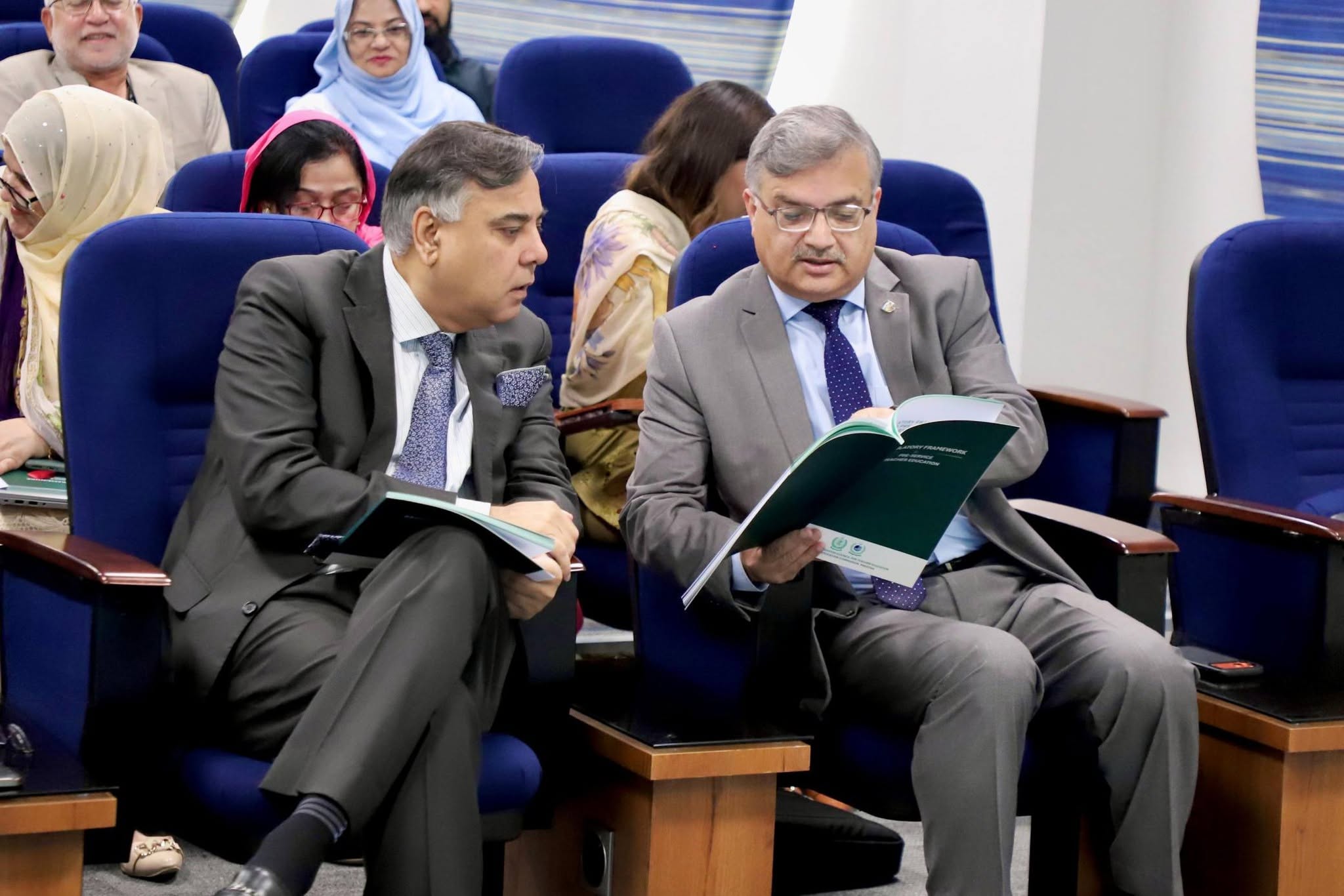
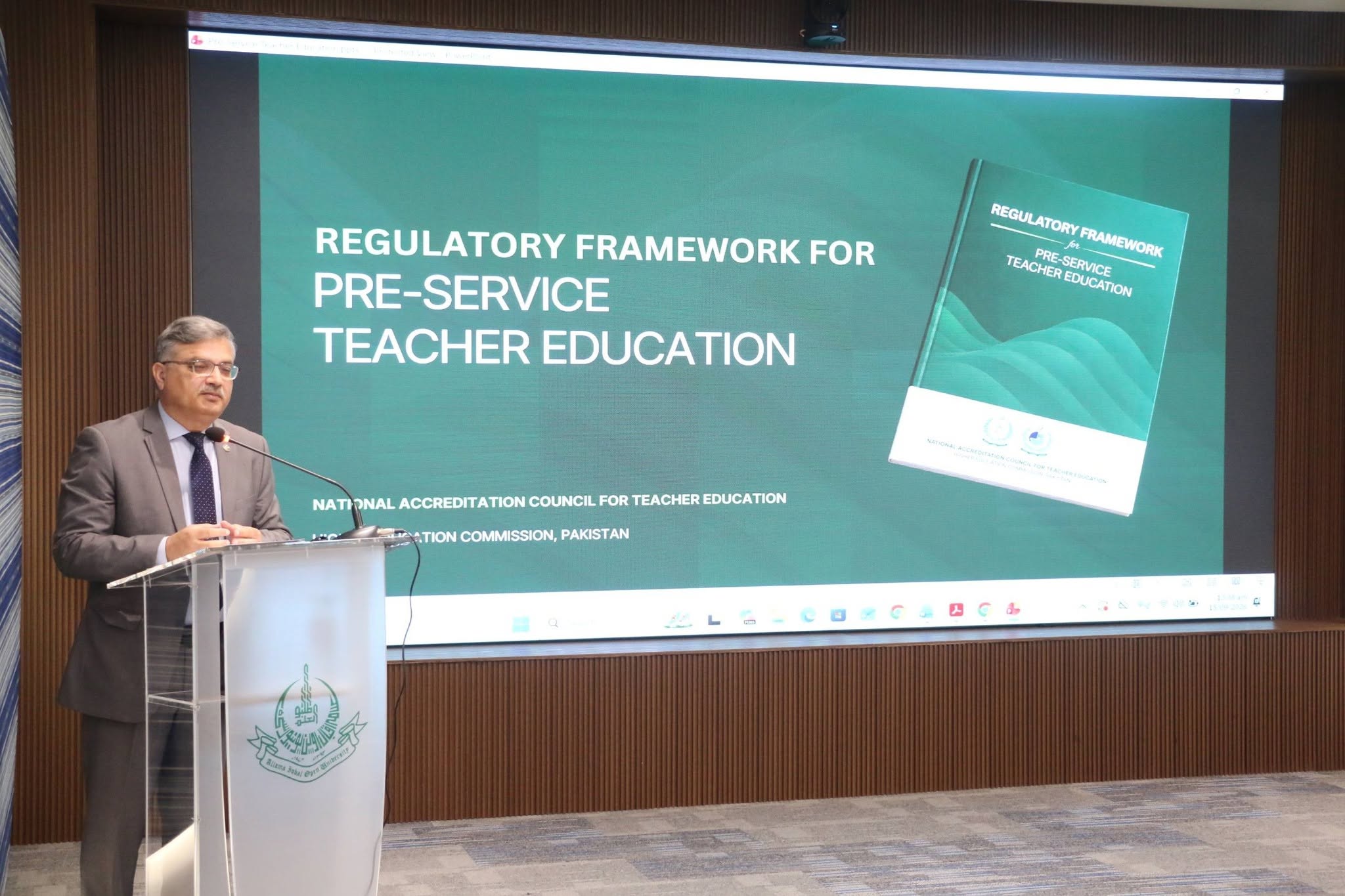
The National Accreditation Council for Teacher Education (NACTE) today launched the Regulatory Framework for Pre-Service Teacher Education, marking an important milestone in the ongoing efforts to strengthen the quality, relevance, professionalism, and future-readiness of teacher education in Pakistan.
The framework is the outcome of a rigorous, inclusive, and consultative process initiated following the International Conference on Quality Teacher Education: “Empowering Educators, Transforming Tomorrow,” jointly organized by NACTE and Allama Iqbal Open University (AIOU) in May 2025.
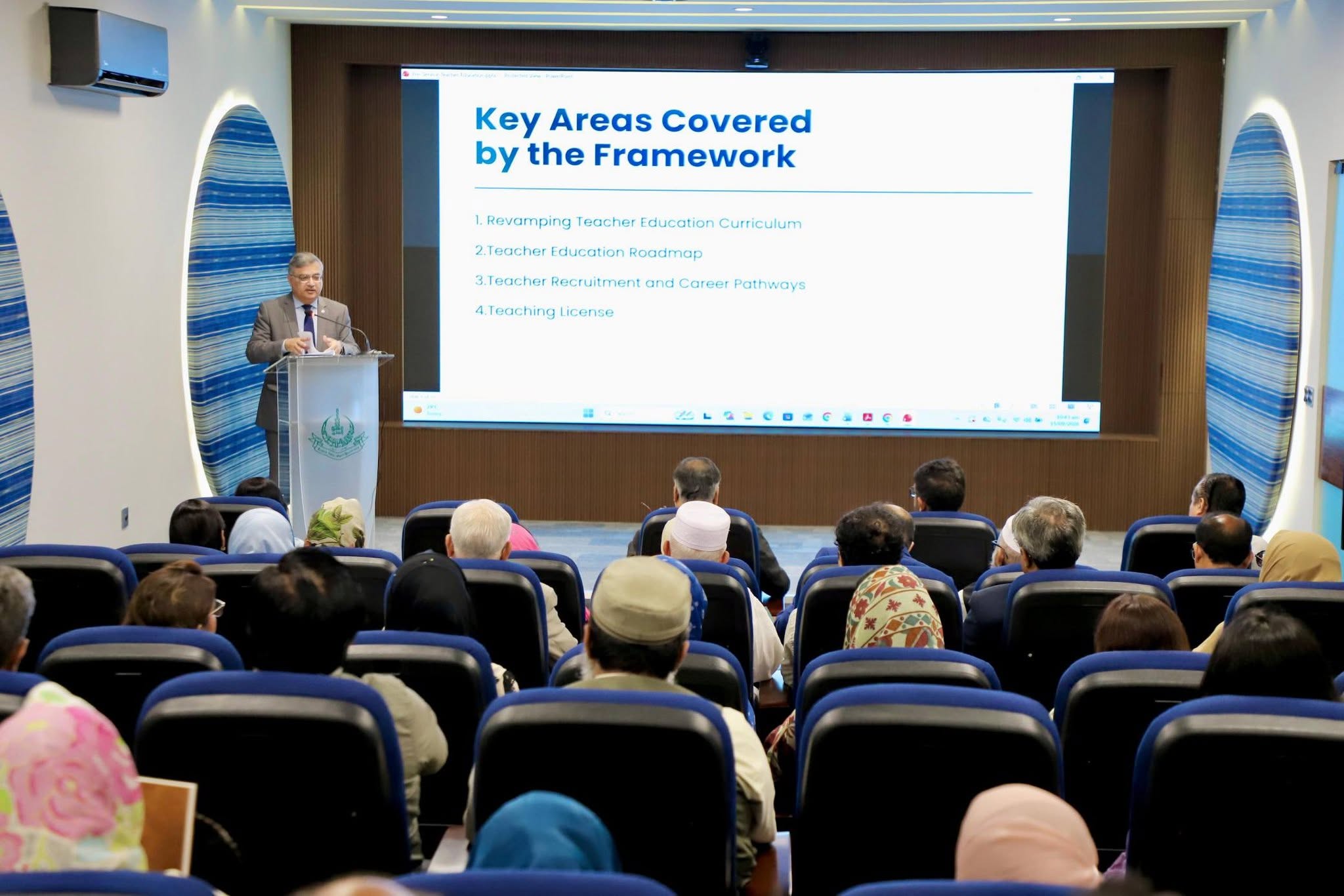
Building on the conference recommendations and extensive stakeholder engagement, NACTE developed four key reform areas: Teaching Licensing; Teacher Education Roadmap; Revamping of Teacher Education Curriculum; and Teacher Recruitment & Career Pathways.
The development process involved subject experts, teacher educators, policymakers, practitioners, higher education institutions, provincial education departments, regulatory bodies, development partners, and other stakeholders through consultations, workshops, focus group discussions, expert reviews, and validation meetings. Five national consultative meetings were also held across the provincial headquarters and Islamabad, ensuring that regional perspectives and contextual realities were reflected in the proposed reforms.
The framework seeks to establish a coherent and quality-assured direction for pre-service teacher education, aligned with national priorities, emerging global trends, quality assurance principles, and SDG 4: Quality Education.
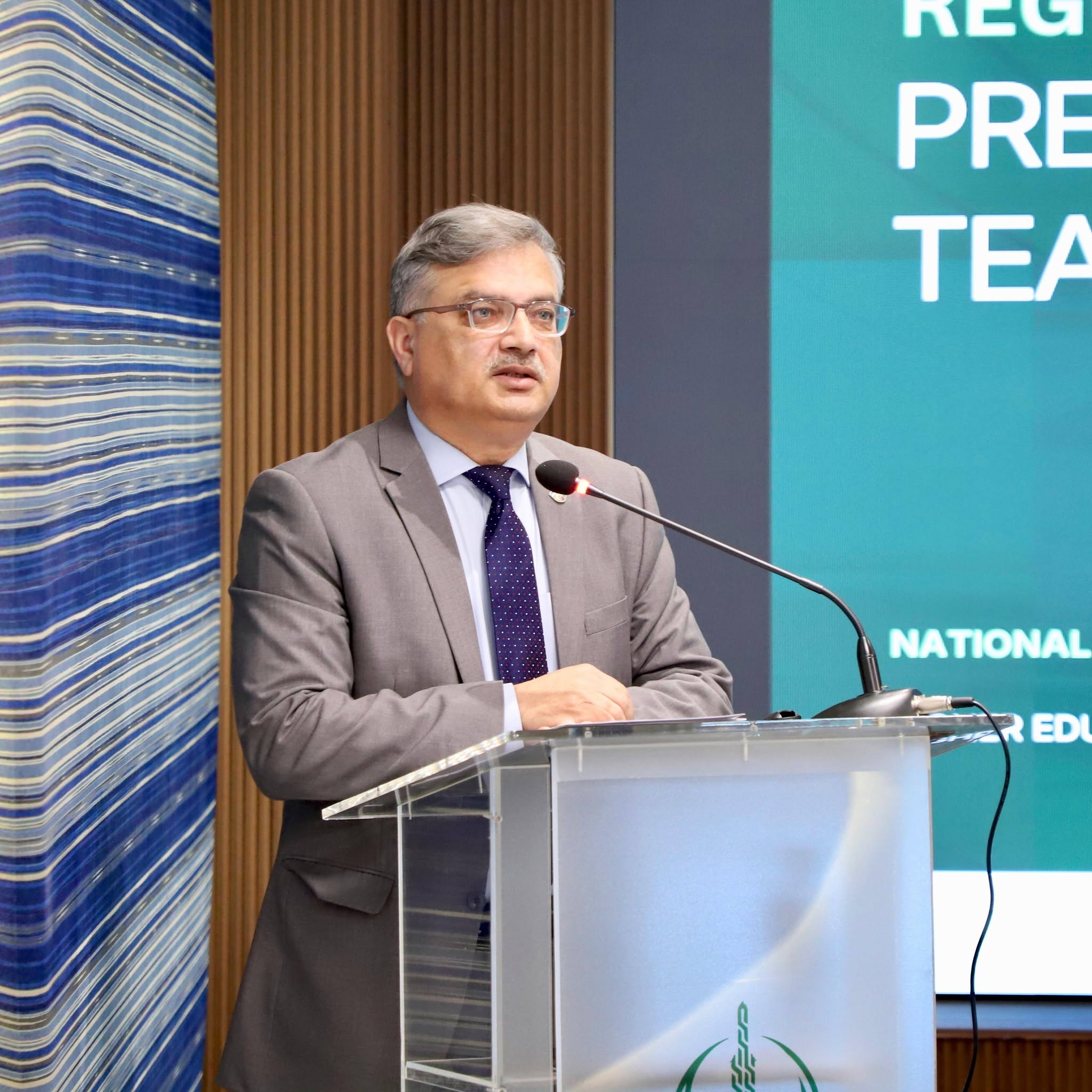
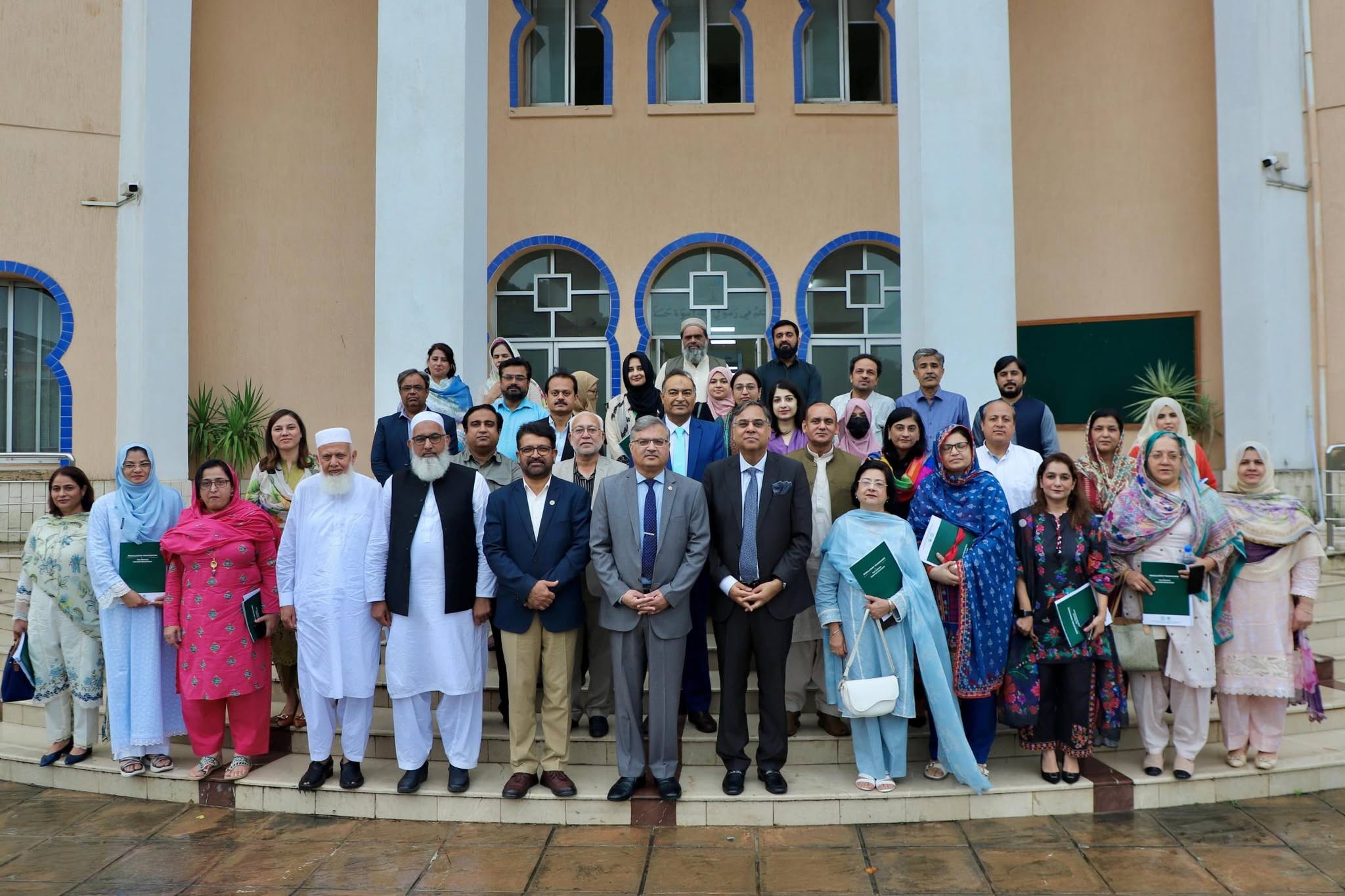
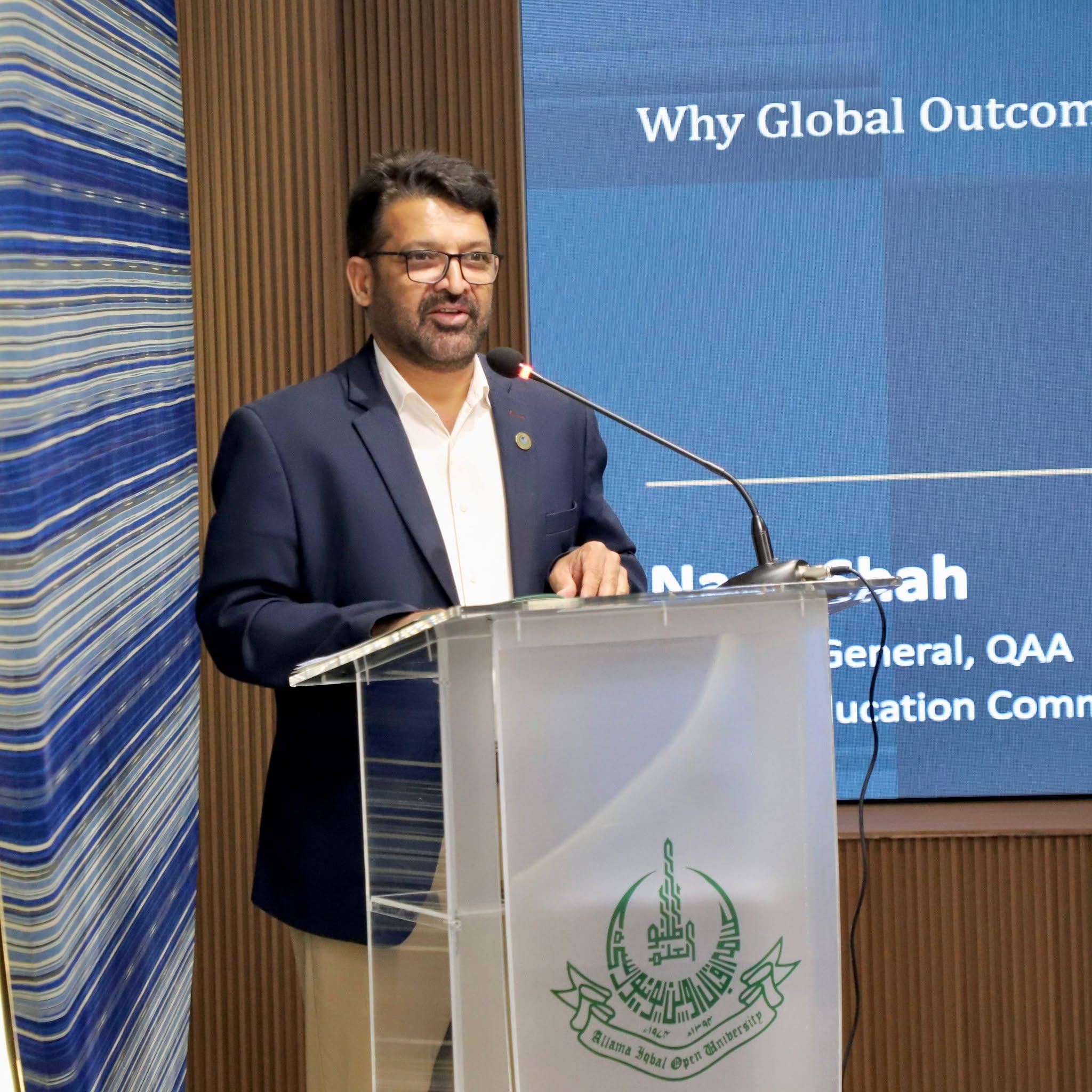
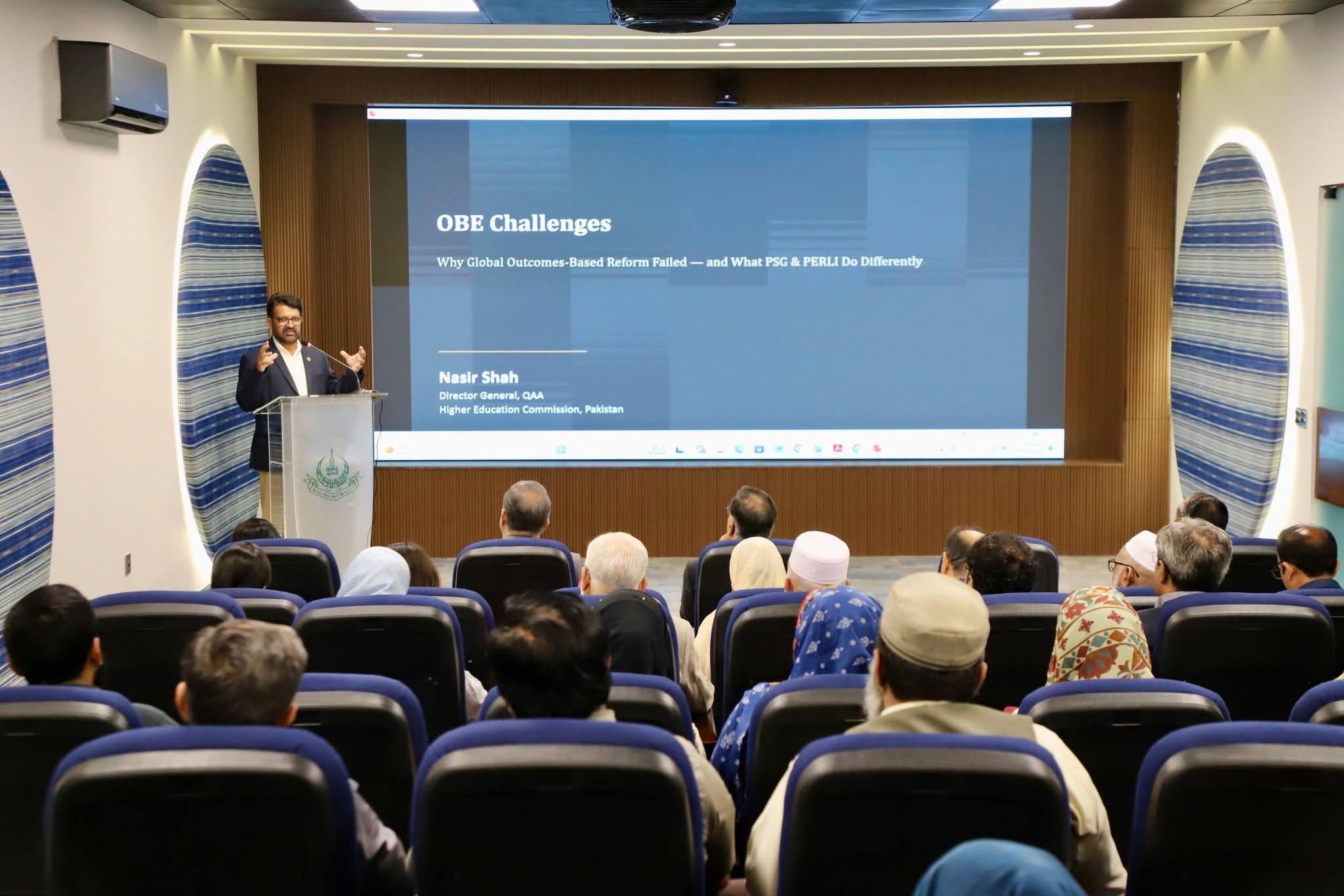
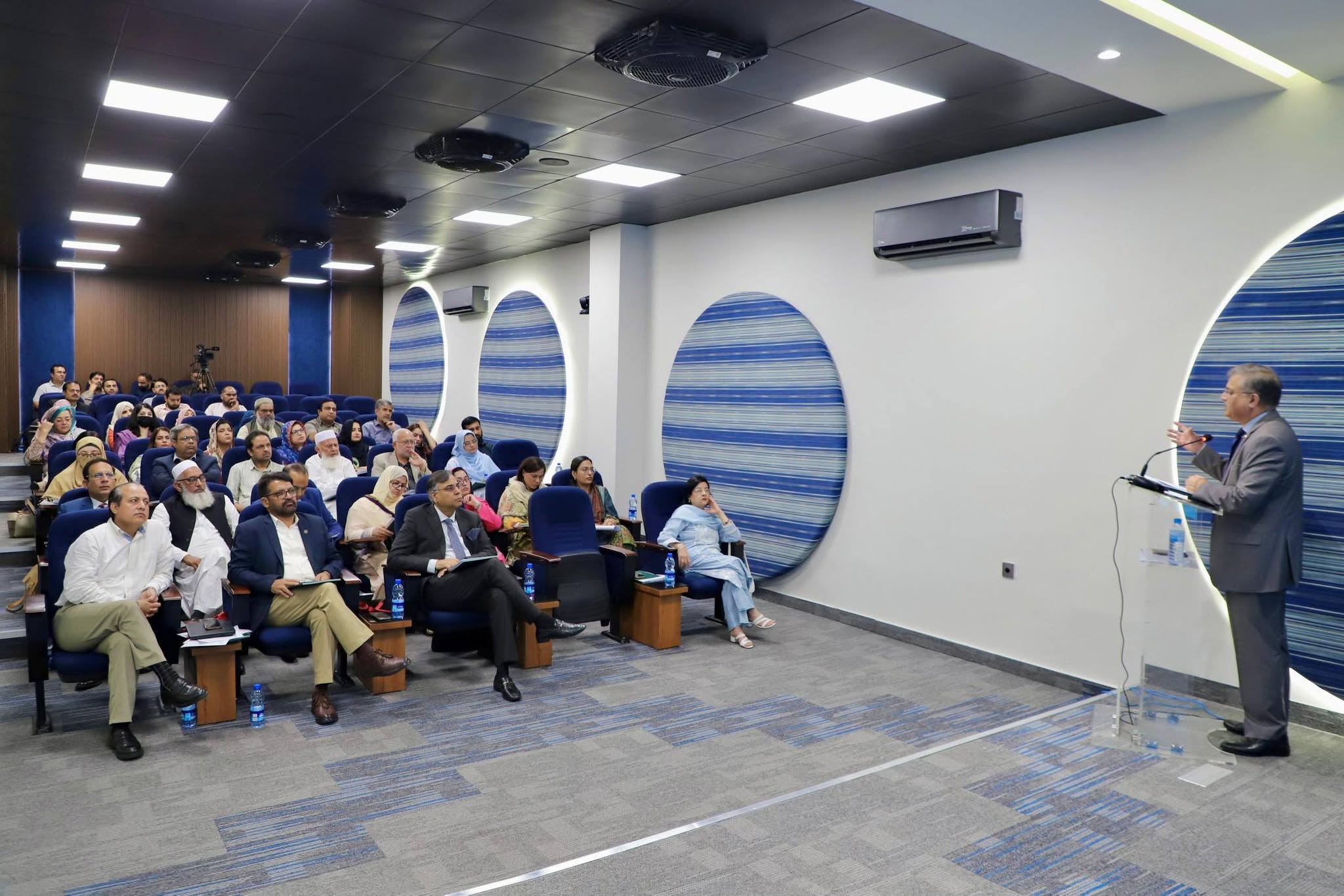
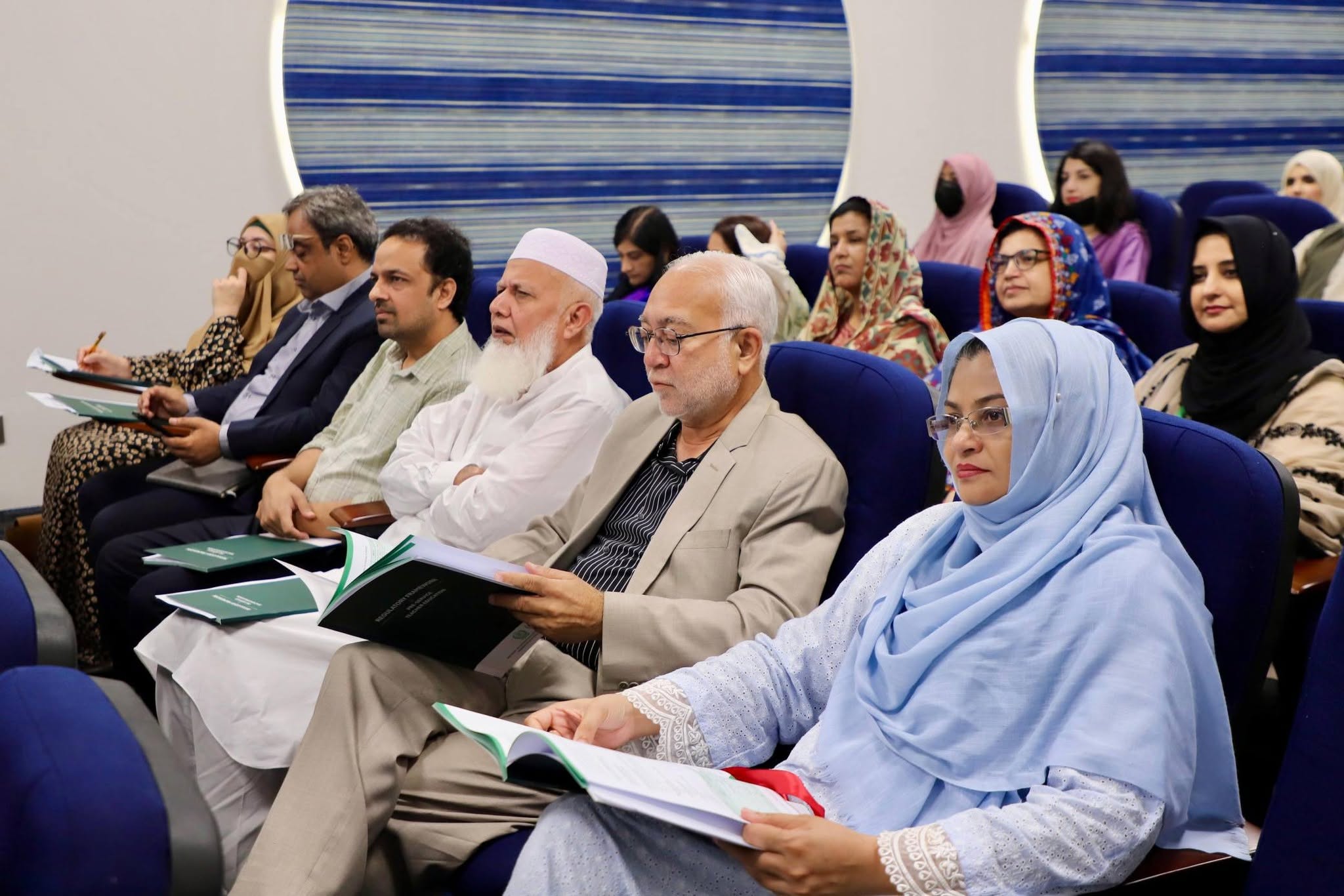
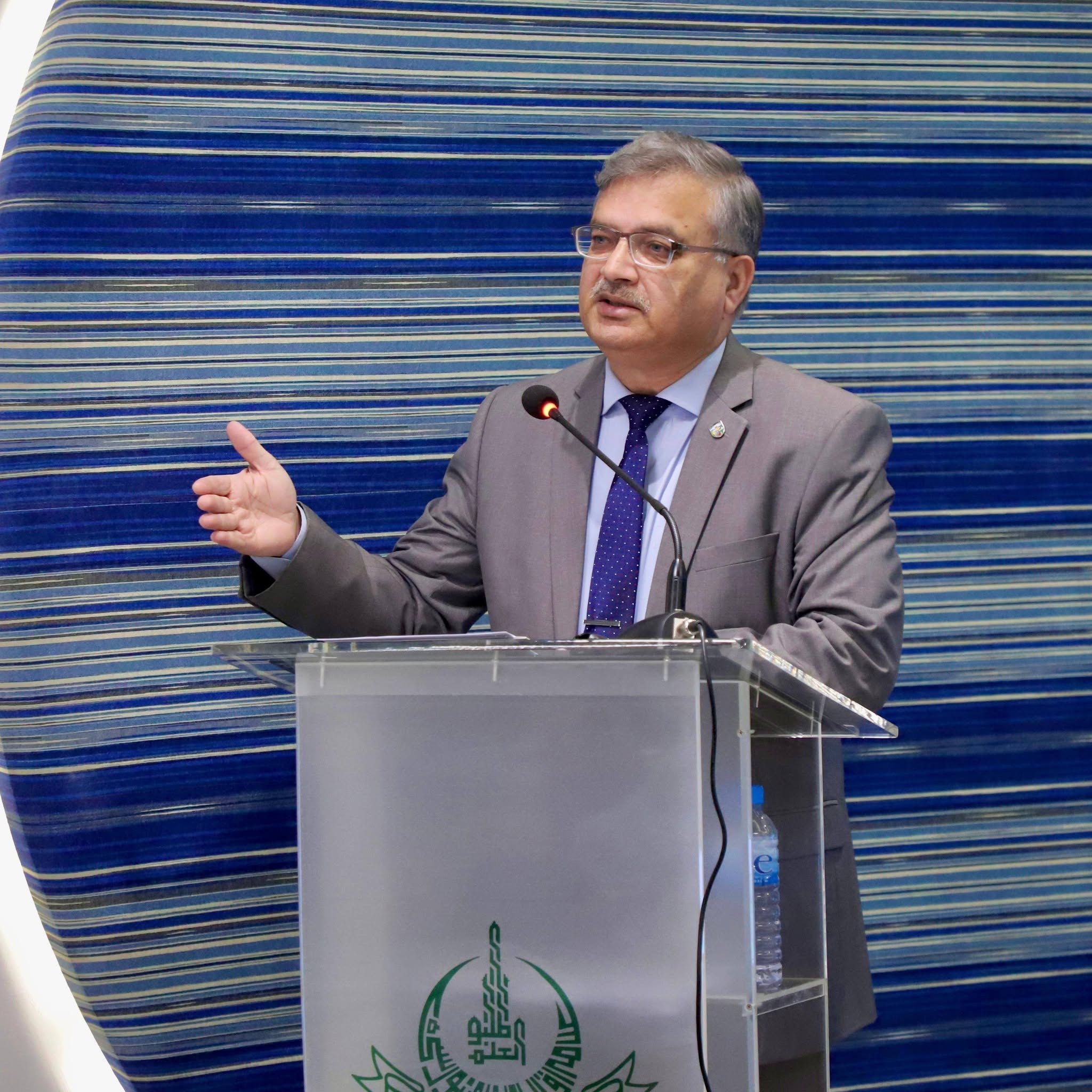
The launch ceremony was graced by Prof. Dr. Habib Bukhari, Member HEC, as Chief Guest, while Dr. Nasir Shah, Director General (Quality Assurance), HEC, and representatives of teacher education institutions from across Pakistan participated both physically and online.
As Chairperson NACTE, I acknowledge with deep appreciation the contributions of all experts, institutions, policymakers, teacher educators, practitioners, development partners, technical teams, researchers, and reviewers who contributed to this important national endeavour.